

Scissor lifts provide a stable and efficient way to perform work at height. They are widely used in construction, warehousing, manufacturing, maintenance, and facility management. However, improper use can result in falls, tip-overs, crushing injuries, electric shock, and equipment damage.
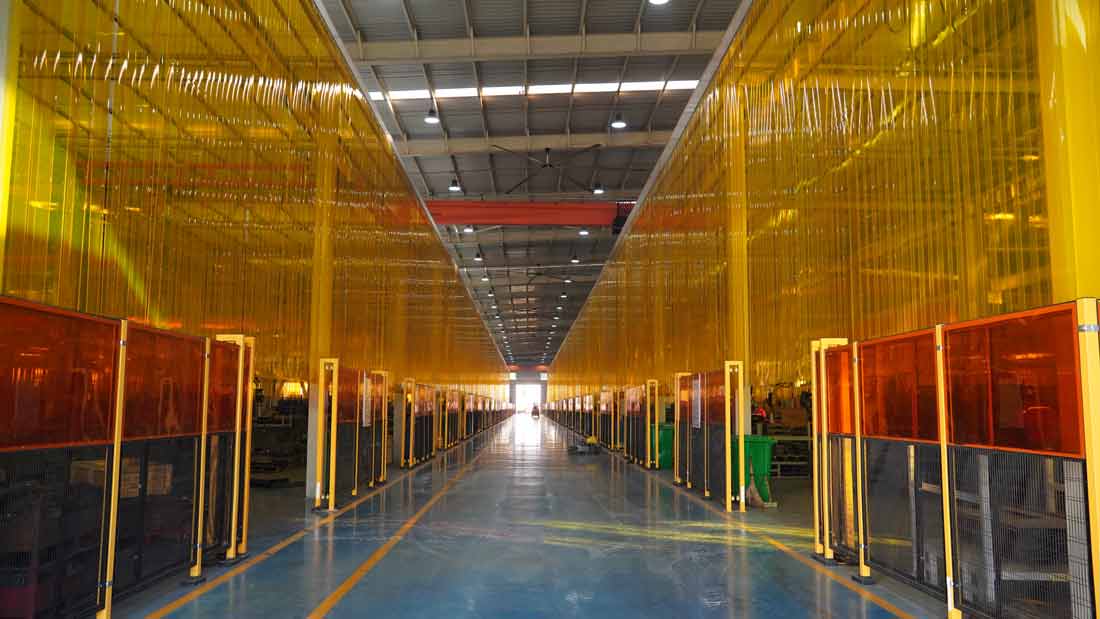
Following proper scissor lift platform safety procedures helps operators identify hazards before work begins and maintain control throughout the job. This guide explains the essential safety practices every scissor lift operator should understand.
1. Complete Proper Scissor Lift Training
Only trained and authorized workers should operate a scissor lift. Training should cover the manufacturer’s operating instructions, platform controls, travel procedures, load limits, workplace hazards, and emergency actions.
Operators should also understand how to report equipment defects and maintenance issues. Employers should confirm that operators can demonstrate safe operation before allowing them to work independently. OSHA recommends training workers on both vertical operation and movement while the lift is in transit. OSHA guidance
Refresher training may be necessary when:
The operator uses a different type or model of lift
Workplace conditions change
The operator is involved in an incident
Unsafe operating practices are observed
The lift has new controls or safety features
2. Perform a Pre-Use Scissor Lift Inspection
A pre-use inspection is one of the most important parts of safe scissor lift operation. Inspect the equipment before every shift and follow the manufacturer’s inspection checklist.
Check the following components:
Tires, wheels, and brakes
Guardrails, gates, and toe boards
Emergency stop controls
Platform and ground controls
Alarms, lights, and warning systems
Hydraulic hoses and fluid levels
Batteries, cables, and connectors
Structural components and lifting mechanisms
Outriggers, stabilizers, and pothole protection devices
Safety decals and operating instructions
Do not operate a scissor lift if a safety-critical defect is found. Tag the equipment, report the problem, and ensure that qualified personnel complete the repair before the lift returns to service. Regular inspection and maintenance help prevent mechanical failures and unexpected movement. OSHA scissor lift safety recommendations
3. Use the Guardrails Correctly
Guardrails are a primary form of fall protection on a scissor lift platform. Before elevating the platform, make sure the guardrails are properly installed, secure, and undamaged.
Operators should:
Keep the platform gate closed while working
Remain inside the guardrail system
Stand only on the platform floor
Never climb, sit, or stand on guardrails
Never use ladders, boxes, or other objects to gain extra height
Avoid leaning excessively outside the platform
OSHA specifically advises workers to check that guardrails are in place and to stand only on the work platform. OSHA Scaffolding eTool
Personal fall protection requirements can vary depending on the equipment, workplace, local regulations, and manufacturer’s instructions. Operators should always follow the applicable requirements for the specific lift being used.
4. Check the Ground and Work Area
Before positioning a scissor lift, inspect the work surface and surrounding environment. The lift should be placed on a firm, level, and stable surface suitable for its rated capacity.
Watch for:
Uneven or soft ground
Slopes, holes, trenches, and drop-offs
Loose debris or slippery surfaces
Floor openings and ramps
Overhead beams, doors, pipes, and ceilings
Nearby vehicles and mobile equipment
Pedestrians and other workers
Wind, rain, ice, or other weather conditions
Never exceed the slope or surface limitations specified by the manufacturer. A scissor lift can become unstable when operated on unsuitable ground or when moved with the platform raised in conditions not approved by the manufacturer.
5. Respect Load Capacity Limits
Every scissor lift has a rated load capacity. This limit includes the combined weight of operators, tools, materials, and any equipment placed on the platform.
Before beginning work:
Estimate the total load.
Compare it with the lift’s rated capacity.
Distribute the load evenly.
Secure tools and materials to prevent movement.
Keep materials away from platform edges.
Overloading can reduce stability and place excessive stress on the lifting system. Never increase the platform height or working reach by placing materials on guardrails or using makeshift extensions.
6. Maintain Safe Clearance from Electrical Sources
Electricity is a serious hazard when operating a scissor lift near power lines or energized equipment. Electrical current can arc through the air, even when the lift or operator does not make direct contact with the line.
Plan the work area carefully and maintain the required clearance from electrical sources. OSHA recommends keeping scissor lifts at least 10 feet away from power lines and other electrical hazards; local regulations or site rules may require greater distances. OSHA electrical hazard guidance
If work must be performed near energized equipment, only properly qualified and trained personnel should perform the task, in accordance with applicable electrical safety requirements.
7. Prevent Crushing and Collision Accidents
Scissor lifts can create crushing hazards when they move near walls, ceilings, beams, vehicles, or other fixed objects. Operators should inspect the travel path and maintain clear communication with workers on the ground.
For better scissor lift operator safety:
Look in the direction of travel
Use a spotter or ground guide in congested areas
Keep hands and body parts inside the platform
Maintain a safe distance from fixed objects
Use warning signals when necessary
Establish pedestrian and vehicle exclusion zones
Avoid operating under overhead obstructions
Do not rely only on alarms or cameras. Operators must remain alert and continuously monitor their surroundings.
8. Operate and Move the Lift Carefully
Follow the manufacturer’s instructions for raising, lowering, driving, steering, and parking the lift. Do not bypass, disable, or modify safety devices.
When moving the lift:
Lower the platform when required by the manufacturer
Travel at a controlled speed
Keep the route clear
Avoid sudden starts, stops, and turns
Use extra caution near slopes and doorways
Keep the platform within the equipment’s approved travel position
Never move an elevated scissor lift unless the manufacturer specifically permits it and the site conditions are safe for elevated travel.
9. Prepare for Emergencies
Every operator should know how to use the emergency stop, lower controls, and ground controls. Before starting work, identify the safest way to lower the platform if the primary controls fail.
Operators should also know:
Who to contact in an emergency
Where first-aid equipment is located
How to report an incident
How to isolate defective equipment
What to do if the lift contacts an electrical line
If a scissor lift contacts a power line, the operator should remain on the platform unless there is an immediate life-threatening danger. Workers on the ground should not touch the lift. Contact emergency services and the utility provider, and keep others away from the area.
10. Park and Store the Scissor Lift Safely
At the end of the task, lower the platform completely, park on a stable surface, apply the brake, and turn off the equipment according to the manufacturer’s instructions.
When storing the lift:
Remove the key if required by site procedures
Connect the charger in a designated area
Keep access routes clear
Report damage or unusual operating behavior
Prevent unauthorized use
A proper shutdown routine reduces the risk of unintended movement, battery damage, and unauthorized operation.
Scissor Lift Safety Checklist
Before operating a scissor lift, ask:
Am I trained and authorized to use this equipment?
Has the lift passed a pre-use inspection?
Are the guardrails and gate secure?
Is the ground firm, level, and free of hazards?
Is the total load within the rated capacity?
Are overhead and electrical hazards controlled?
Is the travel path clear?
Do I know how to use the emergency controls?
Are weather conditions safe for operation?
If the answer to any question is no, stop and resolve the issue before starting work.
Frequently Asked Questions
Do scissor lift operators need training?
Yes. Operators should receive equipment-specific training and understand the manufacturer’s instructions, workplace hazards, load limits, controls, and emergency procedures.
Can you stand on the guardrails of a scissor lift?
No. Operators should stand only on the platform floor and remain inside the guardrail system.
Can a scissor lift be moved while elevated?
Only when permitted by the manufacturer and when site conditions meet the equipment’s operating requirements. Always check the operator’s manual before moving an elevated platform.
What is the most important scissor lift inspection item?
There is no single inspection item that replaces a complete checklist. Guardrails, controls, brakes, tires, alarms, hydraulic components, and structural parts should all be checked before use.
Conclusion
Safe scissor lift operation requires training, planning, inspection, and constant awareness. By checking the equipment, respecting load limits, using guardrails correctly, controlling electrical and crushing hazards, and following the manufacturer’s instructions, operators can significantly reduce workplace risks.
Effective scissor lift platform safety is not a one-time task. It is a daily responsibility shared by operators, supervisors, employers, and maintenance personnel.
Safety requirements may vary by country, industry, equipment type, and worksite. Always follow the manufacturer’s instructions and applicable local regulations.